What Is Repiping, and How Do I Know When I Need It?

Most homeowners rarely think about the plumbing pipes hidden behind their walls, and honestly, that’s usually a good thing. Your plumbing system quietly works in the background every day; delivering water to your showers, sinks, appliances, and everything else that keeps your home running comfortably.
But over time, even the most well-built plumbing systems can begin showing signs of wear.
Maybe you’ve noticed your water pressure isn’t quite as strong as it used to be, a small leak appeared unexpectedly, or a plumber mentioned your pipes are beginning to show their age.
This means your home, like any major system, needs attention, updates, or even some long-term planning in order to keep the water in your household running smoothly.
One solution homeowners often hear about during this process is repiping. Let’s get into what it is, and when you might need it.
──────────
What Is Repiping?
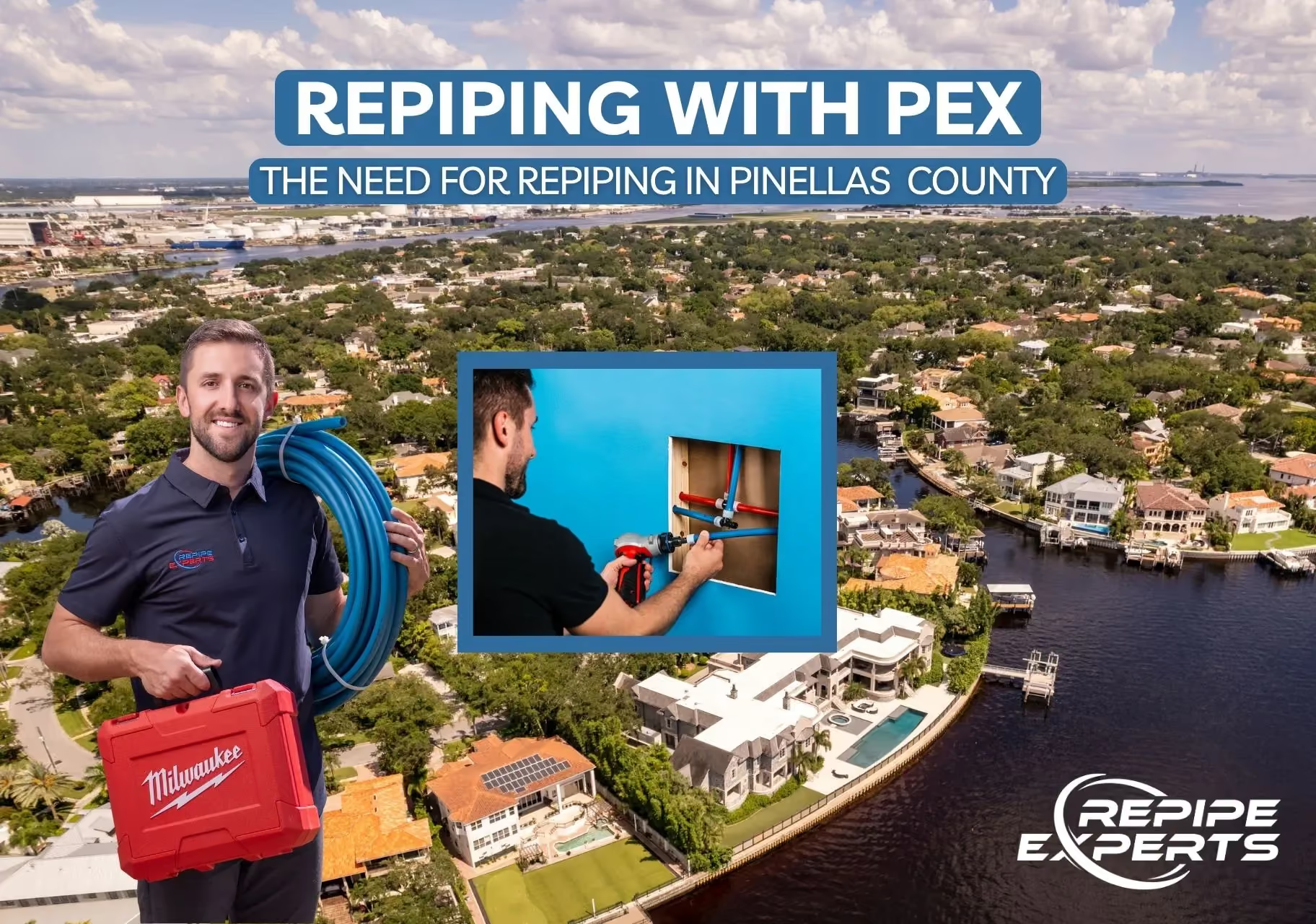
Repiping is the process of replacing aging water supply pipes throughout a home with newer, modern plumbing materials, such as cross-linked polyethylene, otherwise known as PEX.
Rather than continuing to repair isolated sections of older piping over and over again, repiping creates a fresh plumbing system designed for long-term reliability and performance.
A whole-home repipe may involve replacing:
- Hot and cold water supply lines
- Pipes connected to sinks, showers, tubs, and appliances
- Older shut-off valves or plumbing connections
- Aging plumbing materials that may be affecting water flow or reliability
These modern plumbing materials are designed to provide:
- More consistent water flow
- Improved durability
- Better long-term reliability
- Reduced likelihood of recurring plumbing issues
- Greater confidence in the overall plumbing system
Repiping isn’t always about responding to a major plumbing emergency. In many cases, it’s simply a long-term upgrade that helps improve reliability, water flow, and overall confidence in an aging plumbing system.
──────────
Why Do Homes Eventually Need Repiping?
Like roofs, HVAC systems, and water heaters, plumbing systems naturally age over time.
Years of daily use, changing water conditions, mineral buildup, environmental factors, and normal wear can gradually affect the inside of plumbing pipes.
In Florida especially, factors like humidity, soil conditions, and water composition can also accelerate plumbing wear in certain homes.
That doesn’t mean every older home immediately needs a repipe, and many homes continue functioning well for years without major issues. But plumbing systems typically don’t improve with age. When warning signs start becoming more frequent, whether it is recurring leaks, inconsistent water pressure, discolored water, or repeated repair calls, those issues are often signs of broader wear within the system.
The earlier homeowners recognize these patterns, the more opportunity they usually have to address the problem proactively before smaller plumbing frustrations potentially turn into larger and more disruptive repairs.
──────────
Common Signs Your Plumbing System May Need Attention
Recurring Plumbing Repairs
Occasional plumbing repairs are completely normal for homeowners, and the one-off repair isn’t typically a sign of a larger problem.
But if plumbing issues begin happening more frequently, especially in different parts of the home, it may indicate the plumbing system itself is beginning to age.
You may notice:
- Multiple small leaks over a relatively short period: What starts as one isolated issue can gradually become a pattern, especially as aging pipes weaken in different areas of the home.
- Repairs occurring in different rooms or pipe sections: When plumbing problems begin appearing throughout multiple parts of the house, it can sometimes point to broader wear within the overall system rather than a single localized issue.
- Plumbing issues returning after previous fixes: While repairs may temporarily solve the immediate problem, recurring issues can indicate the underlying plumbing infrastructure is continuing to deteriorate.
- Increasing plumbing maintenance costs over time: Many homeowners eventually reach a point where repeated service calls, leak repairs, and plumbing disruptions begin adding up both financially and emotionally.
In these situations, homeowners should start comparing the cost and disruption of continued repairs versus investing in a more permanent solution.
──────────
Lower Water Pressure Throughout the Home
Water pressure problems can develop slowly, making them easy to overlook at first.
You may notice:
- Showers not feeling as strong as before
- Faucets taking longer to fill sinks or tubs
- Appliances operating less efficiently
- Pressure changes when multiple fixtures are used at once
Sometimes this is caused by buildup or corrosion inside older pipes that gradually restricts water flow over time. If pressure issues are isolated to one fixture, the problem may be relatively simple, but if multiple areas of the home are affected, the plumbing system itself deserves a closer look.
──────────
Changes in Water Appearance or Quality
Discolored water should never be ignored, as it can sometimes indicate corrosion, deterioration, or other issues within an aging plumbing system that may affect both water quality and overall pipe reliability.
Some common signs include:
- Rust-colored or brown water
- Yellow tinting
- Metallic taste or smell
- Water appearing cloudy temporarily
As plumbing pipes age, corrosion and mineral buildup can begin forming inside the lines, which may impact the appearance, smell, taste, safety, and overall quality of your water over time.
If discoloration is recurring, worsening, or appearing throughout multiple areas of the home, it is important to have the plumbing system professionally evaluated to identify the underlying cause and determine whether the issue may be connected to aging or deteriorating pipes.
──────────
Slab Leaks or Hidden Pipe Leaks
Slab leaks occur beneath the concrete foundation of the home, making them one of the most difficult plumbing issues for homeowners to detect early because the problem is often completely hidden from view.
Unlike a visible leak beneath a sink or behind an appliance, slab leaks can continue developing underneath the home for extended periods of time before obvious symptoms begin appearing. In some cases, homeowners may not realize there is an issue until water damage, flooring problems, or unusually high water bills start becoming noticeable.
Potential warning signs may include:
- Unexpected increases in water bills
- Damp, warm, or unusually soft flooring areas
- Sounds of running water when fixtures are not in use
- Persistent moisture or mildew odors
- Cracks, lifting, or unexplained flooring issues
Because slab leaks occur underneath the foundation and out of sight, they should be taken seriously and addressed as quickly as possible. The longer an underground leak continues unnoticed, the greater the potential risk for water damage, mold growth, flooring deterioration, rising water costs, and additional strain on the home’s plumbing system.
In older homes especially, a slab leak can sometimes be an early warning sign that aging pipes throughout the system may be becoming increasingly vulnerable to future failures.
──────────
Your Home Has Older Plumbing Materials
Many homes throughout Florida were built decades ago using plumbing materials that can become less reliable as they age, even if the home itself was extremely well built.
In fact, many homeowners take pride in owning older homes because of their craftsmanship, character, and “built to last” reputation. But while the structure of a home may stand the test of time, plumbing systems are still subject to decades of water flow, corrosion, pressure changes, and internal wear.
Even if no major plumbing problems are currently happening, aging plumbing systems can gradually become more susceptible to:
- Corrosion inside the pipes
- Small hidden leaks behind walls or beneath the home
- Water pressure reduction throughout the property
- Mineral buildup restricting water flow
- Plumbing inefficiencies and recurring maintenance issues
- Increased risk of water damage claims
Many insurance providers have also become increasingly cautious about older plumbing systems, especially in Florida, where water damage claims can be significant. In certain situations, aging pipes may impact insurability, premiums, policy renewals, or water damage coverage limitations.
That is why many homeowners choose to have older plumbing systems professionally evaluated proactively, especially before small issues have the opportunity to develop into larger and more expensive problems.
──────────
Repair vs. Repiping: How Do Homeowners Decide?
For many homeowners, a single plumbing repair isn’t a major concern. But when leaks start happening in different areas of the home, water pressure issues keep returning, or repair calls become more frequent, it’s often a sign that the plumbing system itself is beginning to show its age.
In many older homes, there comes a point where continuing to repair isolated pipe failures may no longer be the most reliable or cost-effective long-term approach. That’s when homeowners often begin exploring repiping as a way to proactively address the larger issue before additional plumbing problems develop.
──────────
A Long-Term Investment in Your Home
Instead of waiting for a major plumbing emergency to force your hand, understanding the warning signs early can help you make more informed decisions about your home, your plumbing system, and your long-term maintenance costs.
Many homeowners find that addressing aging plumbing proactively allows them to plan for improvements on their own timeline and budget, rather than being forced into costly emergency repairs after a significant leak or water damage event. In many cases, it's the difference between making a controlled investment today and facing a much larger, unplanned expense later.
If your home has aging pipes, recurring plumbing issues, or signs of hidden wear within the system, getting the plumbing professionally evaluated sooner rather than later can help prevent smaller problems from turning into major repairs, water damage, mold concerns, or other costly disruptions.
At RePipe Experts, our team has helped thousands of Florida homeowners evaluate aging plumbing systems and determine the most practical path forward. Whether your home is experiencing occasional plumbing issues or recurring leaks that seem to keep coming back, we'll provide an honest assessment and help you understand your options.
Get in touch with our team today to better understand the condition of your plumbing system and explore the right long-term solution for your home. Our team is here to answer your questions, evaluate your plumbing, and help you make a confident decision that's right for your property and your budget.
Schedule your FREE Consultation
Repipe Experts can help assess what needs replacing, provide quality materials, and complete your project in a timely manner with minimal disruption.

Related posts

Mobile Home Repiping: What Every Homeowner Should Know Before Replacing Old Plumbing
.png)
Stop Repairing. Start Solving.